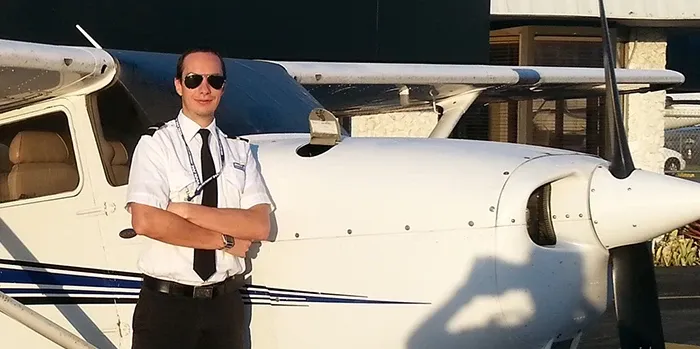
Redefining Accelerated Flight Training
Redefining “Accelerated” Flight Training
Trully an Intensive training, this isn’t nearly as fun or cost effective as usual. I only do this for applicants under a strict time deadline, strictly under the agreement that we will extend that deadline if safety or progress requires it.
I define accelerated differently:
You show up to the aircraft ready, confident, and ahead of the airplane. You enjoy your training, save thousands of dollars, and arrive at your check-ride fully prepared to pass on the first attempt.
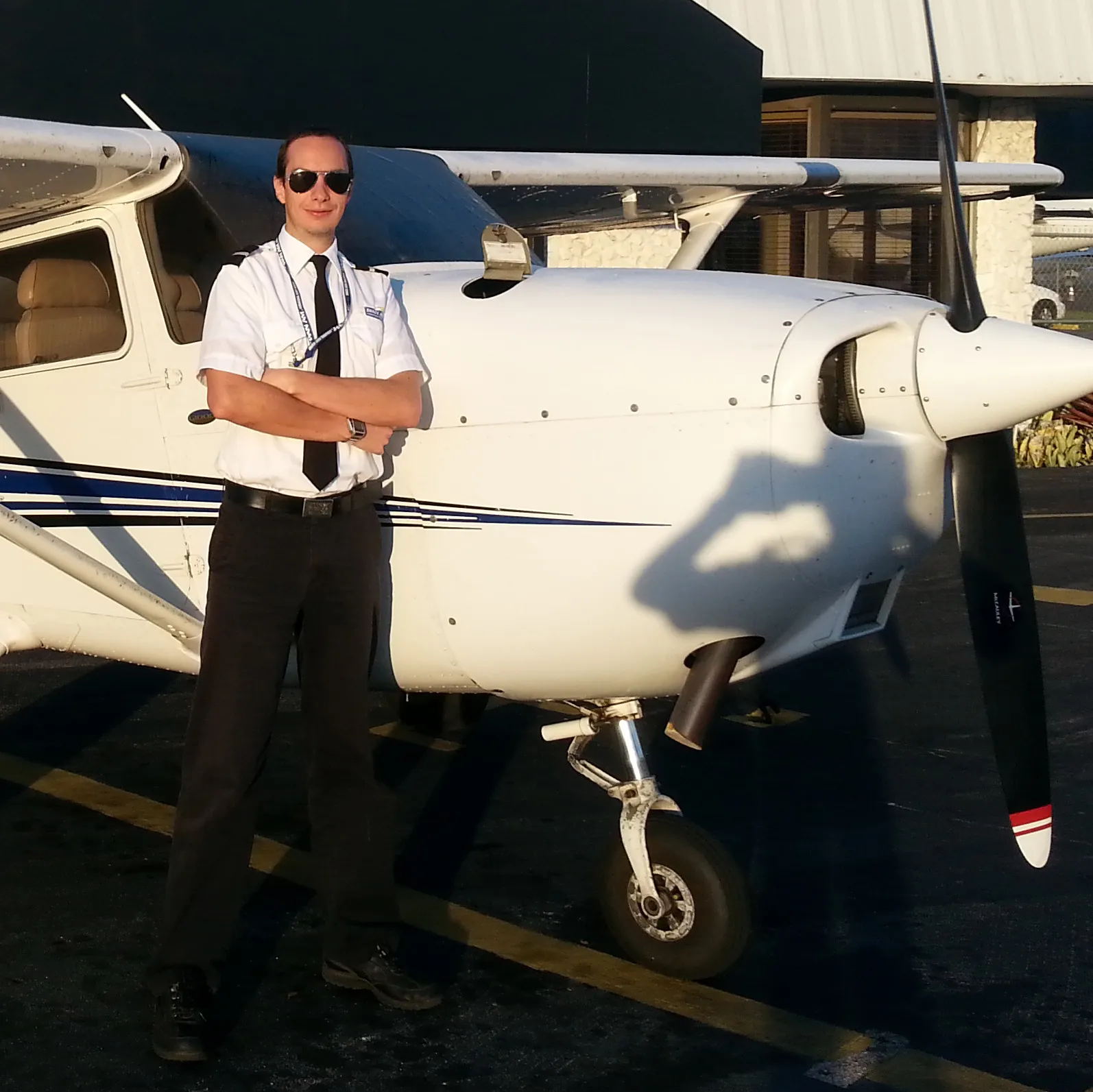
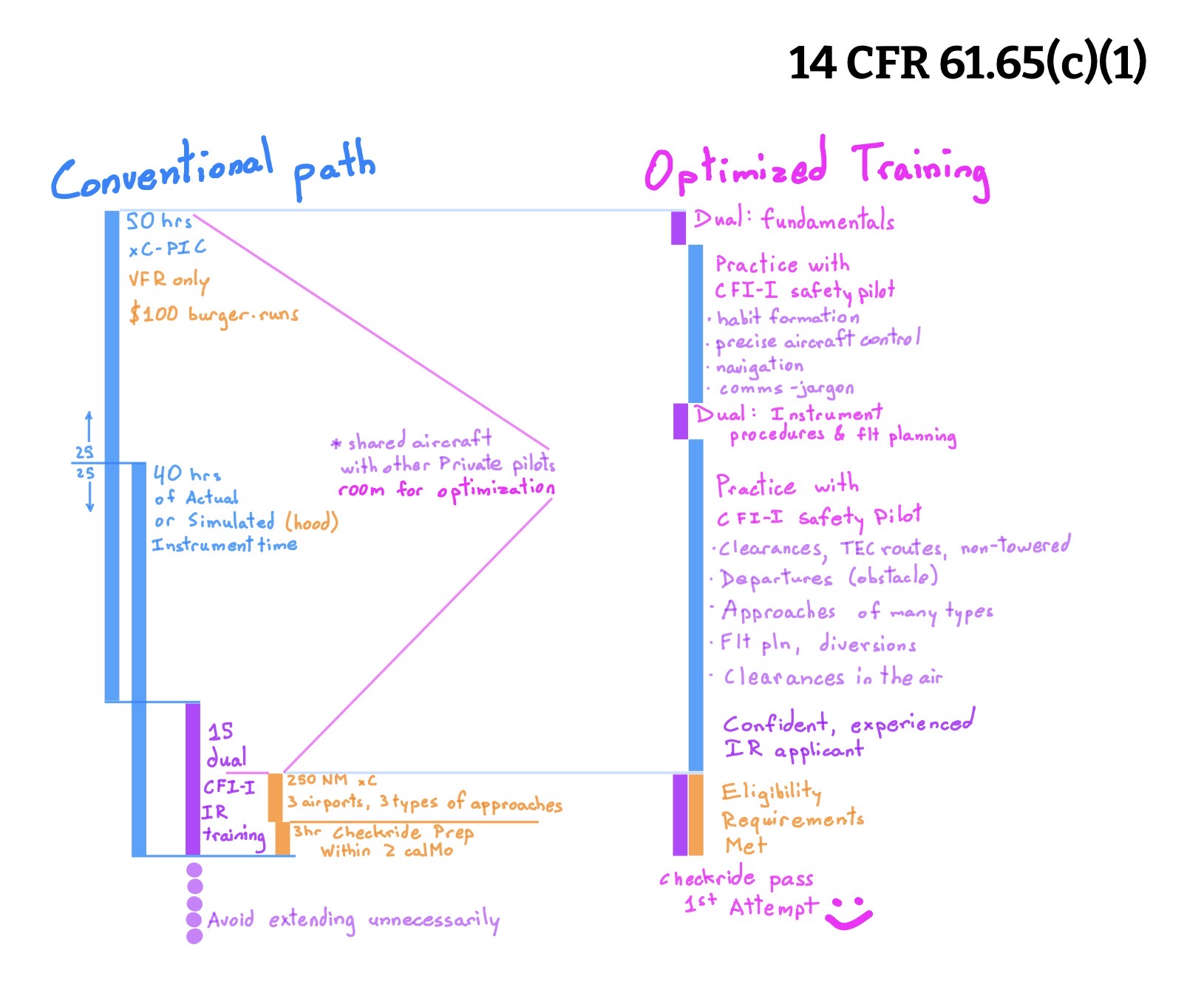
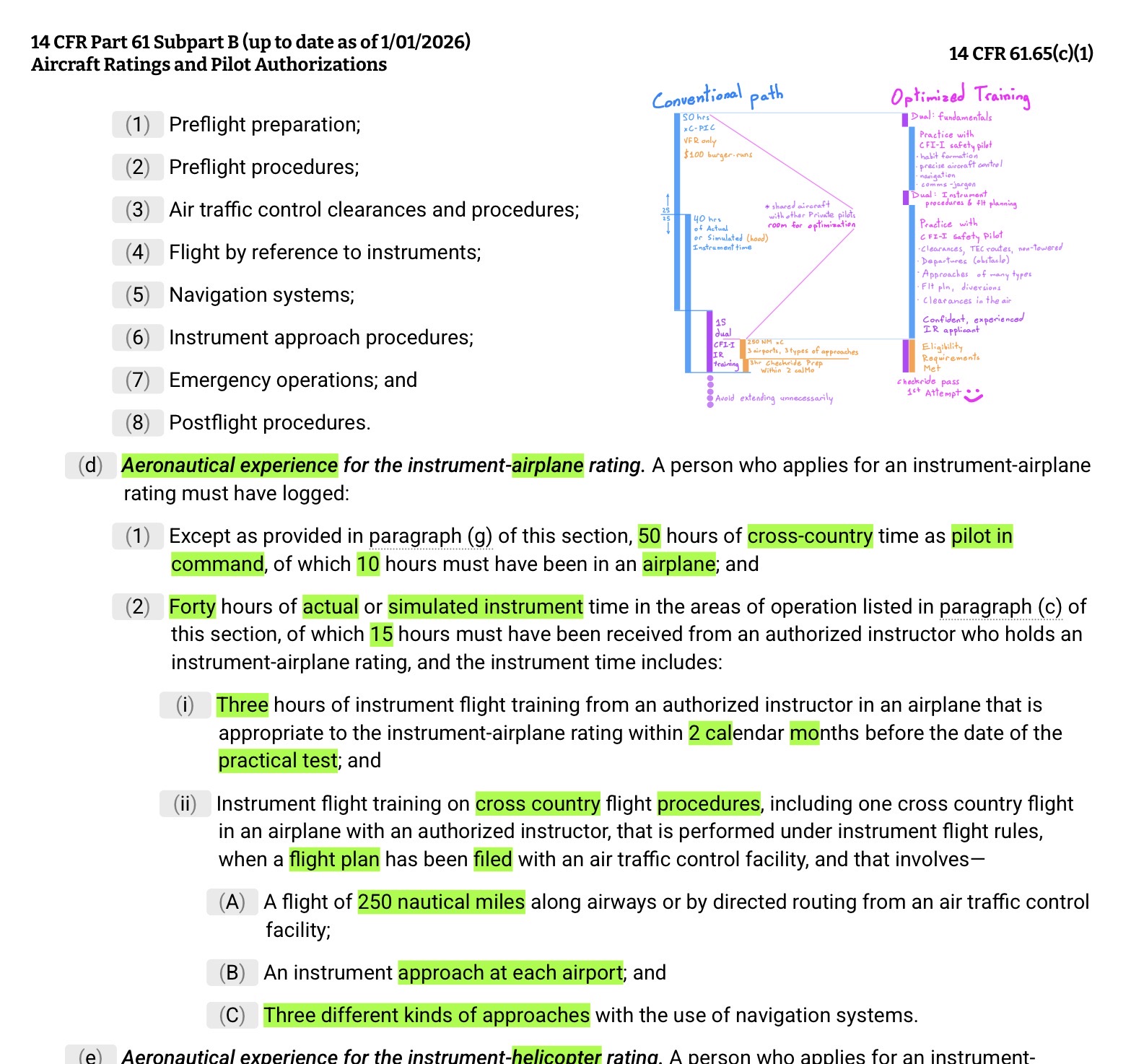
The National Average: 85+ flight hours to get a Private Pilot’s License. Instrument Rating, 55 hrs beyond having built 50 hrs xC PIC time.
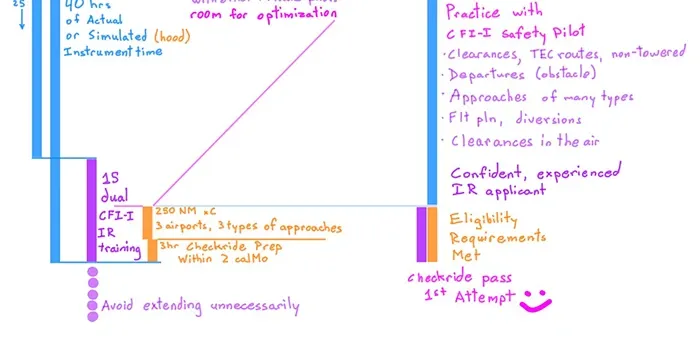
My Standard: We target finish lines closer to the FAA minimum of 40 hours for Private FAR § 61.109(a), and 15 hours for Instrument dual FAR § 61.65(d) –see my IR Oriented Time-building combined syllabus IR program.
I don’t rush your calendar; I maximize your cockpit efficiency. Here is how we do it.
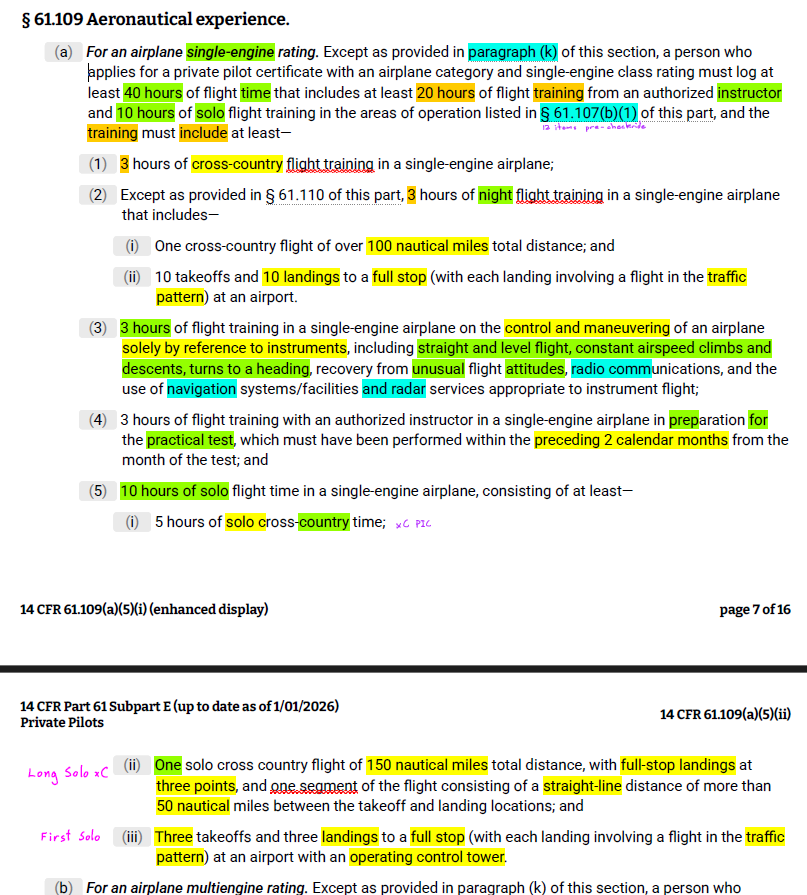
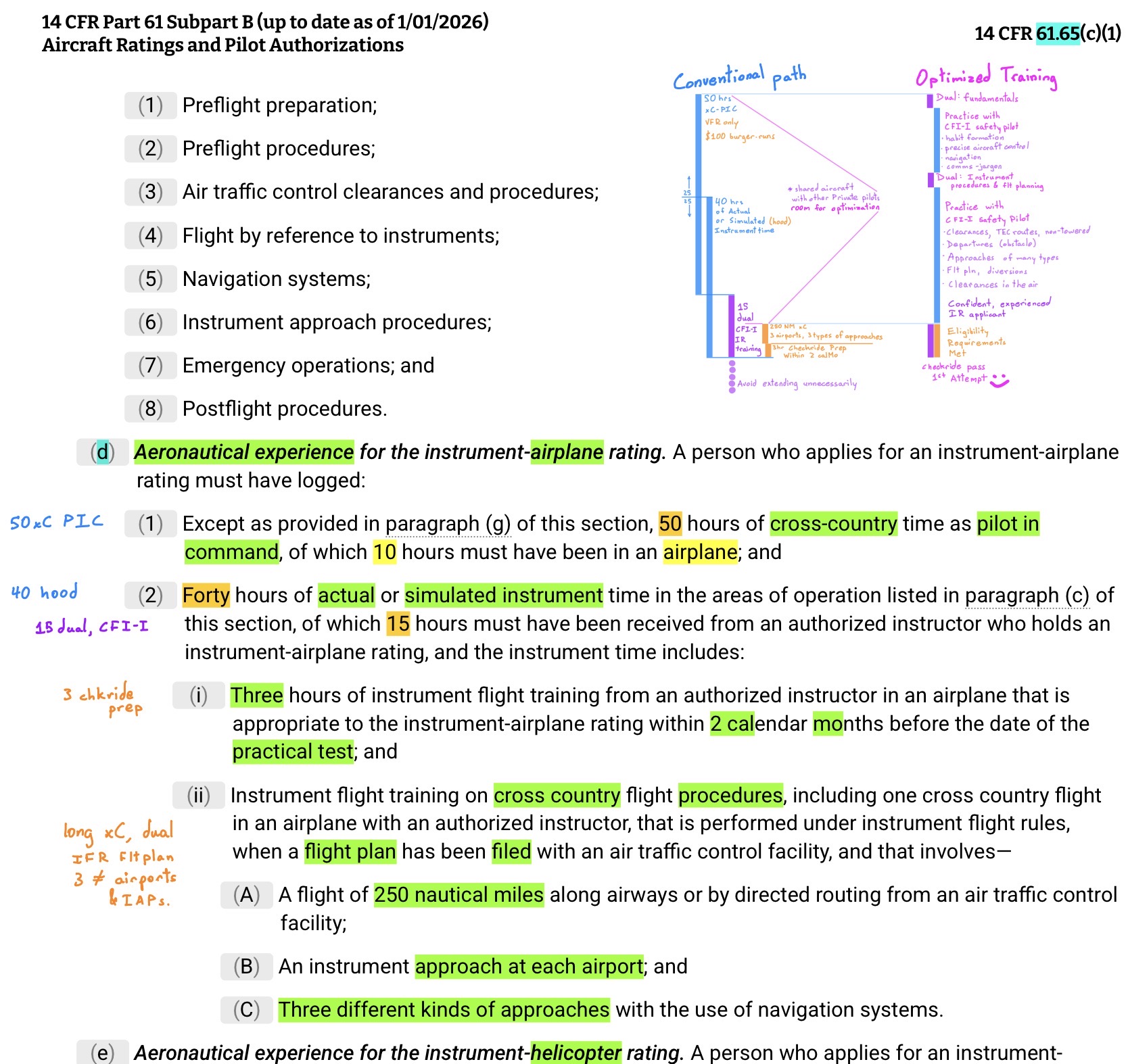
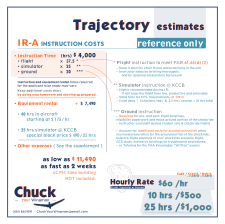
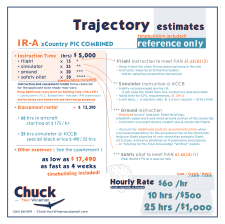
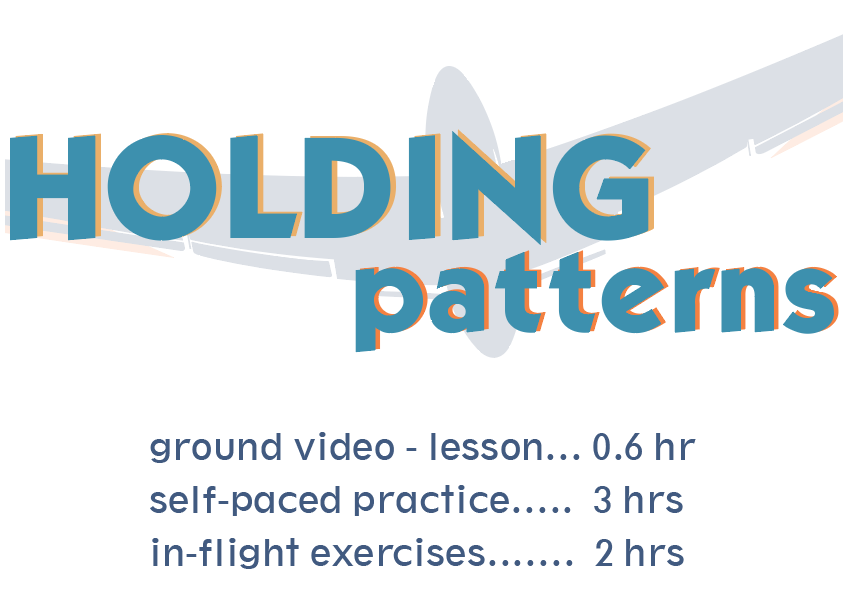
clic / tap on the images above to expand
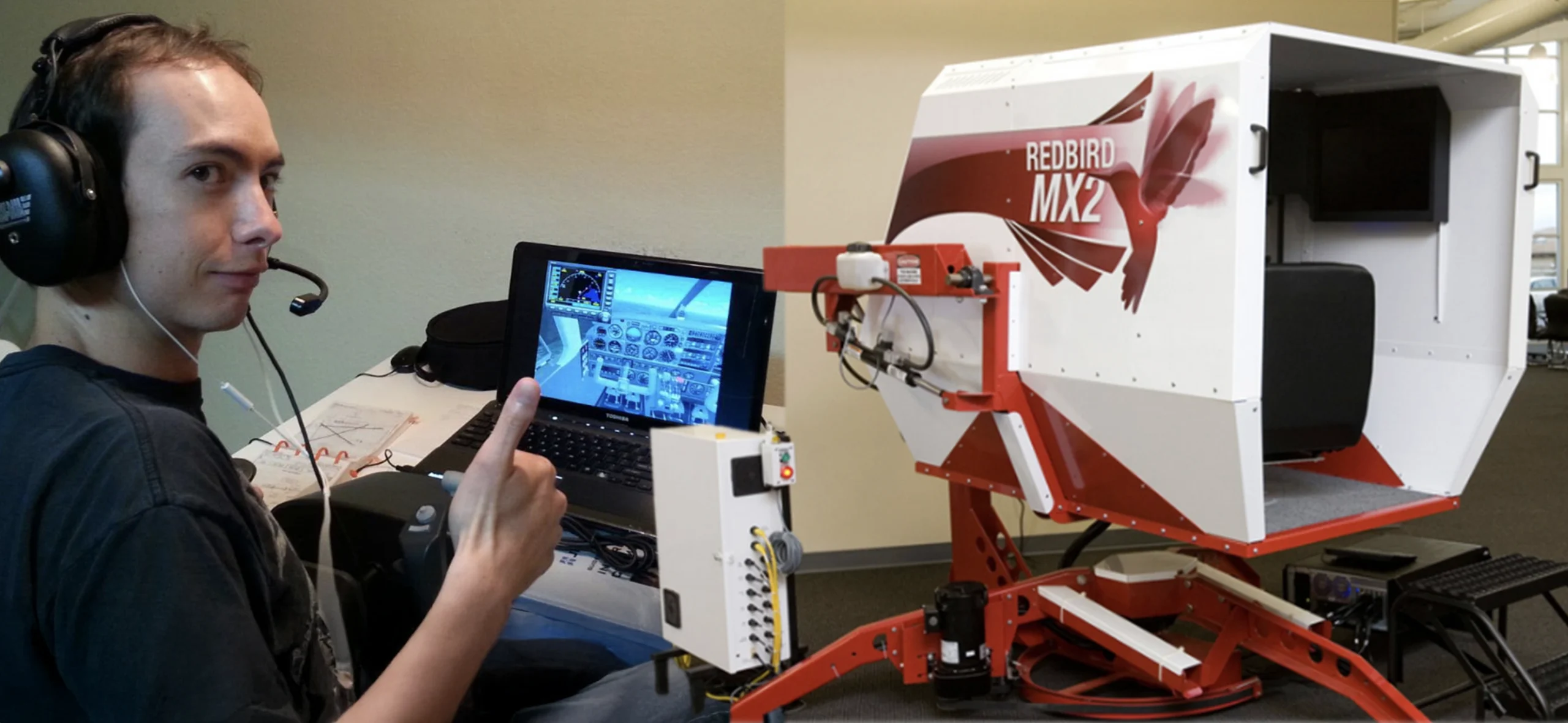
Trying to learn a complex maneuver for the first time in a noisy, vibrating cockpit—while paying for fuel and aircraft rental—is a recipe for frustration.
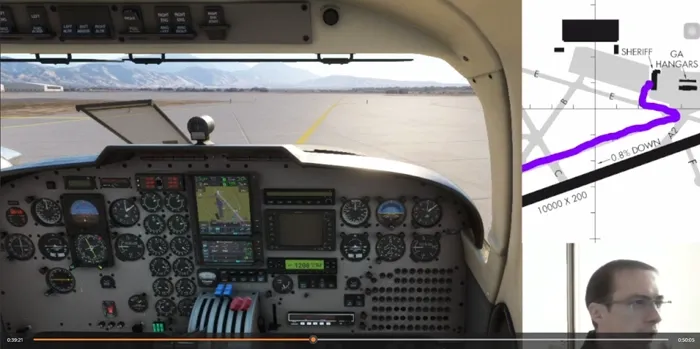
That is why a simulator isn’t an optional afterthought in my syllabus. It is a requirement from Day One. We use a strict ground-to-simulator-to-aircraft sequence. We do not start the engine until we’re fully coordinated on the ground.
By “coordinated”, I mean far more than just stick-and-rudder muscle memory. Together, we will use precise maneuver scripts to eliminate common errors, build sharp situational awareness, and seize every opportunity to apply and correlate the ground knowledge in a controlled environment before hitting the starter switch.
Three Reasons We Start in the Sim:
1.- The sim has a PAUSE btn: We can freeze the flight right when a mistake happens, brief it instantly while it’s fresh, and retry. No scribbling notes to figure out on the ground an hour later.
2.- Financial & Environmental Efficiency: Sim time is a fraction of the cost of flight time. We make our mistakes, build our confidence, and burn zero fossil fuels before we ever touch the real aircraft.
3.- Total Safety: We safely introduce challenging scenarios and emergency procedures in a controlled environment so you are completely prepared for the real thing.
A Long-Term Strategy (Zero to Commercial)
My syllabus doesn’t just look at your next check-ride; it looks at your path to Commercial Pilot.
While the FAA only requires a fraction of simulator time for the PPL, my students strategically build up to 50 hours of motion sim time; precisely when those hours are most helpful : 25 for a Private Pilot License, and 25 for an Instrument Flight Rating. These hours carry forward and credit toward your Commercial Pilot License (CPL) requirements FAR § 61.129(i)(1-i).
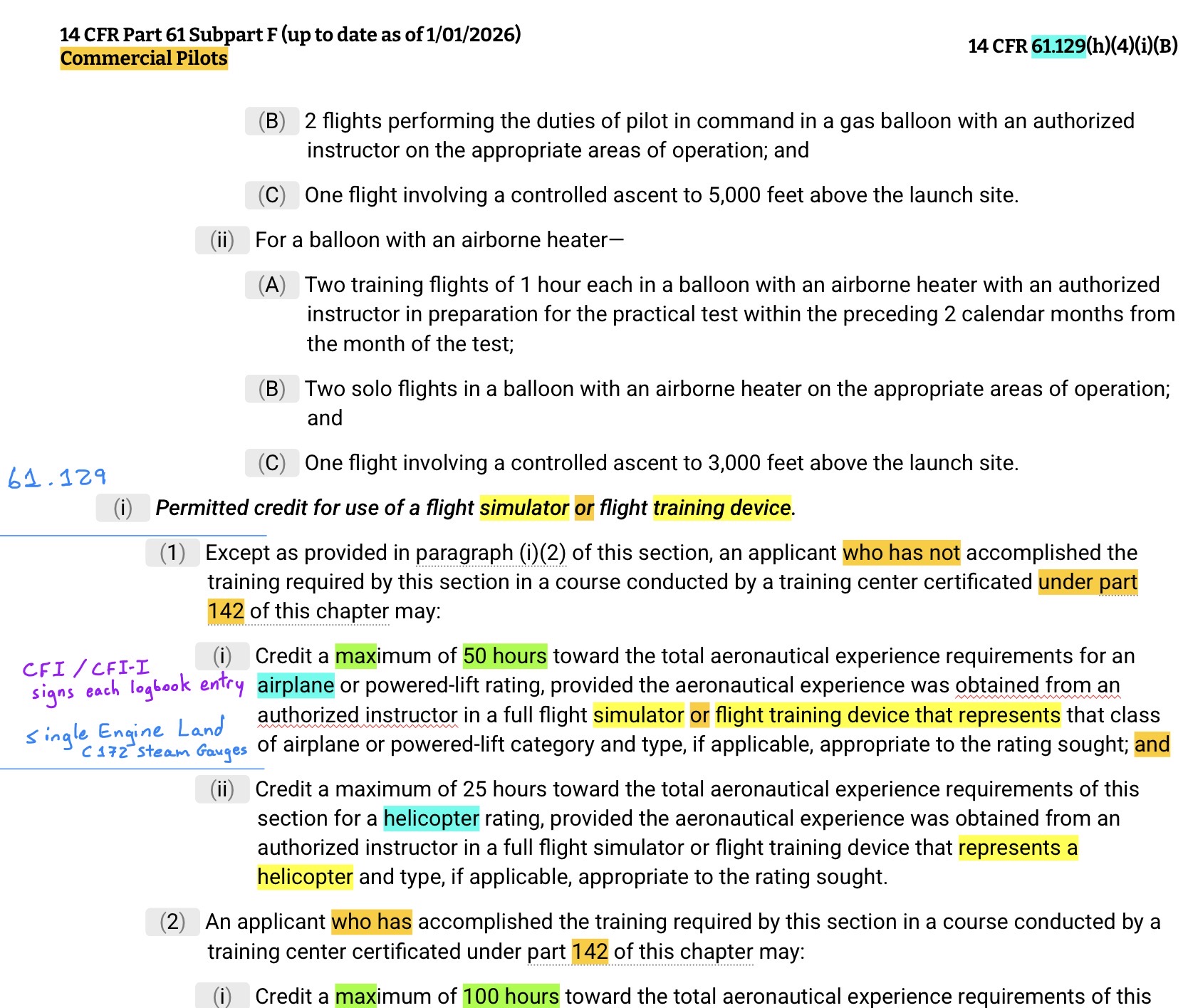
The Result
You show up to the aircraft ready, confident, and ahead of the airplane. You enjoy your training, save thousands of dollars, and arrive at your check-ride fully prepared to pass on the first attempt.
Simulator Logistics & Rates
Equipment:
Redbird FMX Full-Motion Simulator.
Location:
Cable Airport (KCCB).
Travel Plan:
Keep commuting short by logging no less than 3 hrs per visit.
Ideally, 2 sessions of 2.5 hrs in one visit.
Our opportunity: By buying 25-hour blocks, we secure a highly discounted rate of $20 / hr.
Maximize your budget, maximize your experience, and build your foundation efficiently from day one.